


Introduction
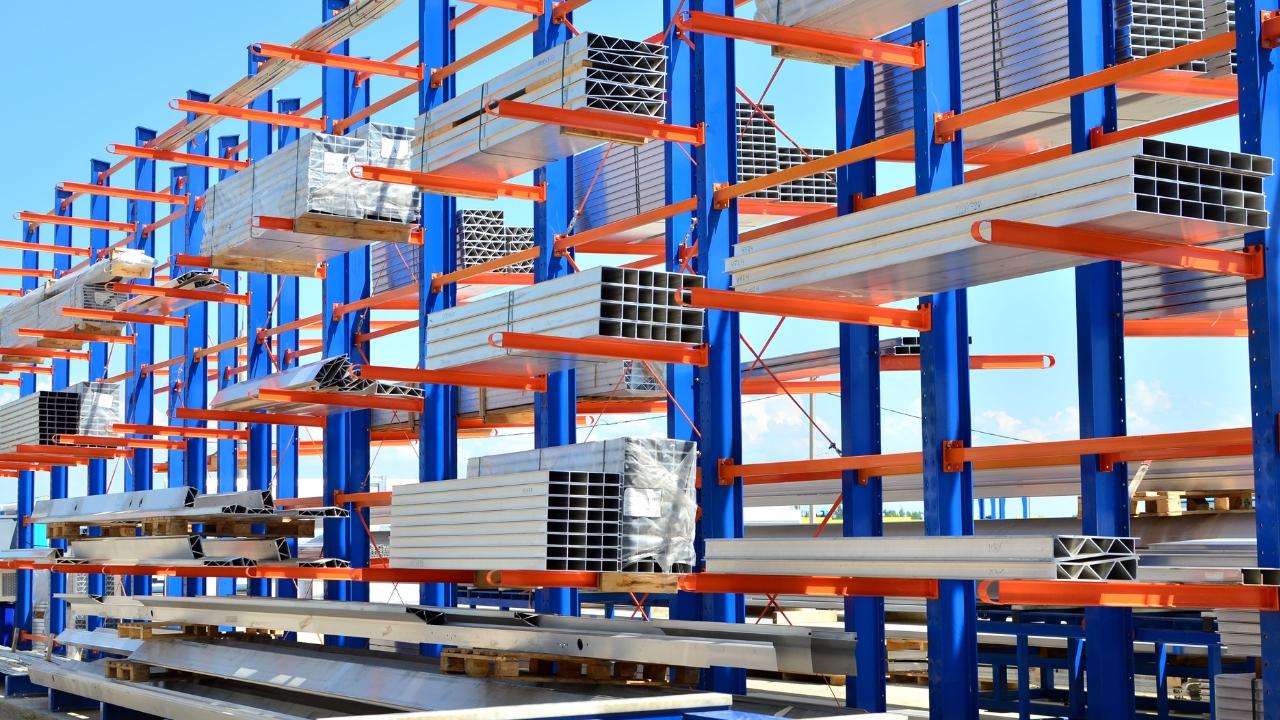
Industrial racking plays a crucial role in organizing and optimizing storage in large warehouses. Properly designed systems help businesses maximize space, improve safety, and streamline operations. Companies like Master Racks Limited provide specialized solutions that support efficient warehouse storage and long-term operational success.
Understanding the Importance of Industrial Racking Design
Large warehouses handle significant volumes of products, materials, and inventory. Without proper planning, storage areas can quickly become inefficient and disorganized.
A well-designed industrial racking system ensures that storage space is utilized effectively. It creates a structured environment where goods are stored safely and can be accessed quickly.
Professional warehouse storage providers such as Master Racks Limited understand that effective racking design is not simply about installing shelves. It involves strategic planning that considers safety, workflow, and future expansion.
Key Factors to Consider in Industrial Racking Design
Designing a storage system for a large warehouse requires careful evaluation of several important factors. Each element contributes to the overall efficiency and safety of the storage facility.
Warehouse Space Utilization
One of the most important considerations when planning industrial racking is how to utilize the available warehouse space effectively.
Large warehouses often have significant vertical space that remains unused. A well-designed racking system takes advantage of this vertical area, allowing businesses to store more products without increasing their warehouse footprint.
Storage specialists like Master Racks Limited often design systems that maximize both floor and vertical storage capacity.
Load Capacity and Structural Strength
Every racking system must be designed to support the weight of stored goods. Load capacity is a critical factor in warehouse safety.
When designing industrial racking, it is essential to determine the weight of the products that will be stored. Racks must be engineered to handle these loads without compromising stability.
Strong materials and precise engineering ensure that the system remains safe under heavy loads.
Warehouse Layout Planning
Efficient warehouse layouts improve operational workflow and reduce congestion. A well-structured layout ensures that workers and equipment can move easily throughout the facility.
Proper industrial racking design includes clear aisle spaces, organized storage zones, and logical product placement. This helps improve productivity and reduces the time needed to retrieve materials.
Professional designers at Master Racks Limited focus on creating layouts that enhance both accessibility and efficiency.
Accessibility and Material Handling
Large warehouses rely heavily on equipment such as forklifts, pallet jacks, and automated systems.
When designing industrial racking, it is important to ensure that storage systems allow smooth access for these machines. Proper aisle width and rack height are essential for safe and efficient material handling.
Well-designed systems enable operators to load and retrieve goods quickly without causing delays or safety risks.
Safety Considerations in Industrial Racking Design
Safety should always be a top priority in warehouse storage systems. Poorly designed racks can create serious hazards for workers and equipment.
Structural Stability
Racking systems must be securely installed and anchored to maintain structural integrity. Stability prevents racks from collapsing under heavy loads or during equipment movement.
Reliable providers like Master Racks Limited emphasize proper installation techniques to ensure long-term stability.
Weight Distribution
Even weight distribution is essential in maintaining rack strength. Uneven loading can weaken the structure and increase the risk of damage.
Warehouse staff should be trained to place items correctly to maintain balanced loads.
Safety Inspections
Regular inspections help identify potential issues before they become serious problems. Checking beams, connectors, and supports ensures that the racking system remains safe.
A properly maintained industrial racking system contributes to a safer working environment.
Selecting the Right Type of Industrial Racking
Different warehouses require different storage solutions. Selecting the appropriate racking system depends on the type of inventory, storage density, and operational workflow.
Selective Pallet Racking
Selective pallet racking is one of the most common storage solutions used in warehouses. It provides direct access to each pallet, making it suitable for facilities that handle a wide variety of products.
Double Deep Racking
Double deep racking allows two pallets to be stored in a single rack position. This design increases storage density and improves space utilization.
Drive-In and Drive-Through Racking
Drive-in systems allow forklifts to enter the racking structure to store and retrieve pallets. These systems are ideal for warehouses storing large quantities of similar products.
Mezzanine Racking Systems
Mezzanine systems create additional storage levels within the warehouse. This solution effectively doubles or triples usable space without expanding the building.
Experts at Master Racks Limited help businesses determine which racking type best suits their operational requirements.
Planning for Future Warehouse Growth
Warehouse storage needs often grow over time as businesses expand their operations.
A well-designed industrial racking system should allow for future scalability. Modular systems can be expanded or reconfigured as storage requirements increase.
Planning for growth ensures that warehouses remain efficient even as inventory volumes rise.
Integration with Warehouse Management Systems
Modern warehouses use advanced software to track inventory and manage storage locations.
A properly organized racking system supports these digital systems by providing clearly defined storage positions. This improves inventory accuracy and enhances warehouse efficiency.
Companies implementing modern storage solutions often rely on experienced providers such as Master Racks Limited to align physical storage systems with digital warehouse management tools.
Maintenance and Long-Term Performance
Maintaining racking systems is essential for ensuring long-term safety and performance.
Routine maintenance should include checking for structural damage, tightening connections, and replacing worn components. Proper maintenance extends the lifespan of storage systems and protects valuable inventory.
Well-maintained industrial racking systems provide consistent performance and reliability.
Benefits of Professional Industrial Racking Design
Professional design offers several advantages for large warehouses:
-
Improved storage capacity
-
Enhanced safety standards
-
Efficient warehouse workflow
-
Reduced operational delays
-
Better inventory organization
Working with experienced companies like Master Racks Limited ensures that warehouse storage systems are designed according to industry best practices.
Their expertise helps businesses achieve efficient storage layouts that support productivity and long-term growth.
Conclusion
Industrial racking is a critical component of efficient warehouse management. Proper design ensures safe storage, optimized space usage, and smooth operational workflows. With the expertise of Master Racks Limited, large warehouses can implement reliable storage systems that support growth, safety, and long-term efficiency.

 Arabic
 French
 Spanish
 Portuguese
 Deutsch
 Turkish
 Dutch
Dutch
 Italiano
 Russian
 Romaian
 Portuguese (Brazil)
 Greek
Greek