


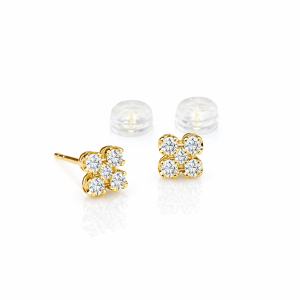
For many people in New Zealand, putting on a favorite pair of hoops or studs is a daily ritual. However, that ritual can quickly turn into a source of frustration when your ears begin to itch, swell, or turn red just a few hours into the day. This physical reaction is more than just a nuisance; it is often a sign that your body is rejecting the materials used in your jewellery. In our coastal environment, where salt air and humidity can accelerate the breakdown of cheap metals, understanding the science behind skin irritation is the key to maintaining both your style and your comfort.
The Hidden Culprit: Nickel and Metal Allergies
The most common reason for earring irritation is an allergy to nickel. This metal is frequently used as a base or an alloy in "fashion" or "costume" jewellery because it is inexpensive and provides significant structural strength. Unfortunately, nickel is also a potent allergen. When it comes into contact with the skin—especially through a piercing where the barrier of the epidermis is bypassed—the immune system can identify it as a foreign threat.
In New Zealand’s humid summer months, the situation often worsens. Sweat and moisture act as a catalyst, drawing nickel ions out of the metal and onto your skin. This leads to a condition known as allergic contact dermatitis. Once you have developed a sensitivity to nickel, it usually becomes a lifelong condition, meaning even trace amounts can trigger a flare-up. This is why a pair of earrings that seemed fine for years might suddenly start causing issues; as the protective plating wears down, the underlying nickel is exposed to your skin.
Why Cheap Plating Fails Over Time
Many budget-friendly earrings are made of a base metal like brass or copper that is then "dipped" or "plated" in a thin layer of gold or silver. While they look premium on the shelf, this thin coating is often only a few microns thick. Through daily wear, the friction of your hair, and exposure to personal care products like hairspray or perfume, this plating begins to microscopicly chip or wear away.
Once the surface layer is compromised, the reactive base metals underneath are free to interact with your skin. In New Zealand, our love for the ocean adds another layer of complexity; the salt in the air and water can corrode these base metals even faster than in landlocked environments. This leads to the "green skin" effect or, more painfully, a raw and weeping piercing site. If you find that your ears only start hurting after a few months of wearing a specific pair, it is almost certainly a sign that the protective plating has failed.
How to Navigate the Search for Safe Materials
Avoiding irritation starts with knowing exactly what to look for in the product description. When you browse for earrings online, you will often see terms like "hypoallergenic" or "nickel-free." However, "hypoallergenic" is not a regulated term and can sometimes be misleading. For those with high sensitivity, the safest route is to choose "biocompatible" metals that are used in the medical industry.
Titanium and Niobium are two of the best choices for sensitive ears. These are elemental metals, meaning they aren't mixed with mystery alloys. They are highly resistant to corrosion and are virtually impossible for the human body to react to. Surgical-grade stainless steel (specifically 316L) is another reliable option, though it does contain a tiny amount of nickel that is so tightly bound at a molecular level that it usually won't bother most people. For lovers of precious metals, opting for 14k gold or higher or sterling silver marked with the "925" hallmark ensures a higher purity that is less likely to contain irritating additives.
The Importance of Airflow and Piercing Hygiene
Sometimes the irritation isn't an allergy at all, but a result of "earring hygiene." Because the earlobe is a small, enclosed area, it is easy for dead skin cells, oils, and moisture to become trapped between the earring back and the skin. This creates a breeding ground for bacteria, which can lead to a localized infection that mimics the symptoms of an allergy.
To avoid this, ensure that your earring backs are not pressed too tightly against your lobe. Leaving a small gap allows for essential airflow, which keeps the area dry and prevents the buildup of irritants. Furthermore, it is a good habit to clean your earring posts with a gentle saline solution or a bit of rubbing alcohol once a week. In New Zealand’s active culture, where we are often moving between the gym, the beach, and the office, keeping your jewellery clean is just as important as the metal it is made from.
Identifying "Fake" Silver and Gold
Another common cause of irritation is "mystery metal" jewellery that is sold under names like "German Silver" or "Tibetan Gold" which actually contain no silver or gold at all. These are usually nickel-heavy alloys that are treated to look like precious metals. If the price of a pair of earrings seems too good to be true for the material listed, it likely is.
Genuine sterling silver and gold will always have a hallmark, and reputable sellers will be transparent about the specific alloys used. By investing in "solid" pieces or high-quality "gold-filled" options (which have a much thicker layer of gold than standard plating), you provide a much more substantial barrier for your skin. This is particularly important for New Zealanders who want their jewellery to withstand a lifetime of adventures without causing a painful reaction.
Conclusion: Protecting Your Ears for Life
Earring irritation is your body’s way of asking for better quality. By understanding the triggers from nickel allergies to failing plating and poor hygiene you can curate a collection that is as comfortable as it is beautiful. Prioritizing pure, non-reactive metals and maintaining a simple cleaning routine will ensure that your style never comes at the cost of your health. In the end, the most beautiful earrings are the ones you can wear with total confidence, knowing they are as kind to your skin as they are to your look.

 English
 Arabic
 French
 Spanish
 Portuguese
 Deutsch
 Turkish
 Italiano
 Russian
 Romaian
 Portuguese (Brazil)
 Greek
Greek