


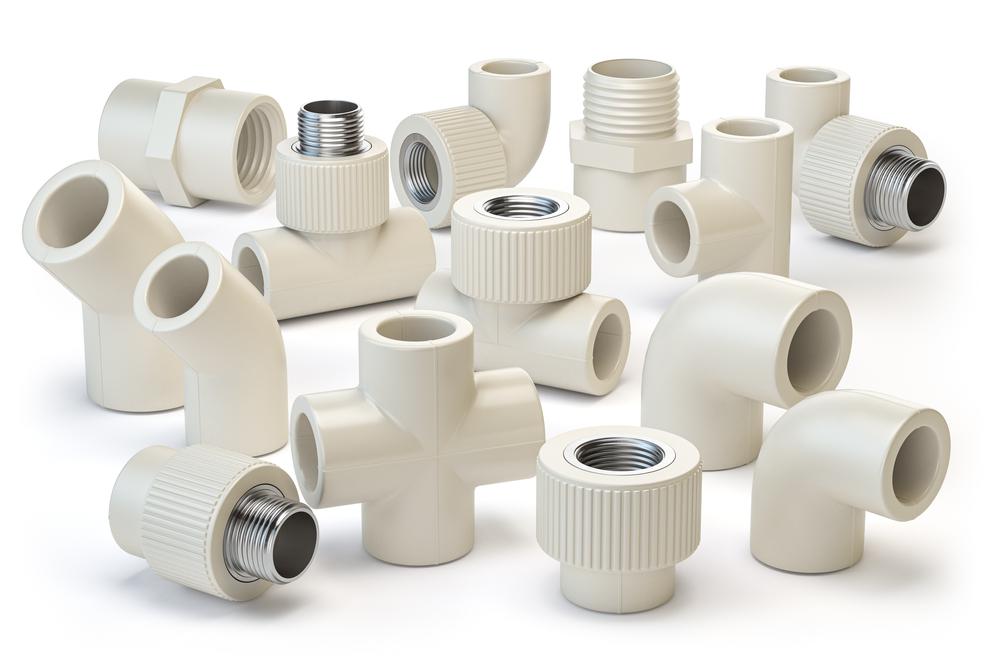
Modern plumbing systems are expected to deliver consistent water flow, handle pressure changes smoothly, and remain reliable for years without frequent maintenance. As construction standards improve, builders and engineers are moving away from traditional metal piping and exploring advanced plastic solutions. Among these, pprc pipes and fittings have gained strong attention for their performance in residential, commercial, and industrial environments.
But how well do they really manage water flow and pressure in everyday use? This article explores the practical reasons behind their growing adoption and explains whether they truly offer better control compared to conventional options.
Understanding Flow and Pressure in Plumbing Systems
Water flow and pressure are closely connected. If a piping system restricts flow, pressure drops at outlets. If pipes cannot handle pressure fluctuations, leaks and joint failures become common. The goal of any modern plumbing setup is to maintain smooth internal movement while protecting the system from stress.
Traditional pipes often struggle here. Over time, corrosion, scaling, and joint weaknesses reduce their ability to maintain balanced flow. This is where newer materials like PPRC enter the discussion.
Why PPRC Material Makes a Difference
PPRC pipes are manufactured using polypropylene random copolymer, a material known for its stability and smooth internal surface. Unlike metal pipes, the interior of PPRC does not react with water, which helps maintain consistent performance throughout its lifespan.
Because the internal walls remain clean and free from buildup, water moves with less resistance. This directly improves flow efficiency and helps maintain pressure even across longer pipe runs or multi-story buildings.
Flow Consistency in Daily Water Usage
In daily use, plumbing systems face varying demand — from a single tap opening to multiple outlets running simultaneously. PPRC systems handle these changes smoothly due to their internal design.
In practical terms, this means:
- Water reaches fixtures faster without noticeable delays
- Pressure loss between the entry and outlet points is reduced
- Simultaneous usage does not heavily affect flow balance
These advantages become especially noticeable in homes with multiple bathrooms or commercial spaces where water demand fluctuates throughout the day.
Pressure Handling Without Structural Stress
Pressure control is not just about strength; it is also about flexibility. Rigid pipes may handle pressure initially, but are more prone to cracking when pressure spikes occur. PPRC pipes, on the other hand, offer a balanced response.
Their material structure allows them to absorb minor pressure variations without stressing joints. This reduces long-term damage and keeps connections secure, even under continuous use.
Key pressure-related benefits include:
- Resistance to internal pressure without deformation
- Stable joints created through heat fusion techniques
- Reduced risk of leaks caused by sudden pressure changes
These features make PPRC suitable for both low-rise homes and taller buildings with complex water distribution systems.
Joint Design and Its Role in Flow Control
Flow efficiency is not determined by the pipe alone; fittings play an equally important role. Poorly designed joints can disrupt water movement and create pressure drops. PPRC fittings are designed to integrate seamlessly with pipes through fusion welding.
This creates a single, continuous pathway for water. Since there are no narrow sections or rough edges at joints, turbulence is minimized. As a result, water pressure remains more uniform from start to finish.
Thermal Stability and Its Impact on Performance
Temperature changes can affect pressure behavior inside pipes. Hot water expands, while cold water contracts. Materials that do not respond well to these changes often develop stress points.
PPRC pipes handle temperature variation efficiently, which helps maintain internal pressure stability. This is particularly useful in systems carrying both hot and cold water, such as residential supply lines and commercial plumbing networks.
Comparison with Conventional Pipe Materials
When compared with metal or older plastic alternatives, PPRC systems show clear performance differences. Metal pipes often develop internal scaling, which gradually restricts flow. Some plastics may lack the pressure tolerance required for long-term use.
PPRC strikes a balance by offering:
- Smooth internal surfaces that stay consistent over time
- Reliable pressure tolerance without brittleness
- Long service life with minimal maintenance needs
This balance explains why builders increasingly consider them alongside products supplied by established PVC Pipe Manufacturers in Pakistan, especially when designing efficient water distribution systems.
Long-Term Performance in Real-World Conditions
One of the strongest indicators of flow and pressure control is how a system performs after years of use. PPRC pipes maintain their internal diameter and joint strength over time, which helps preserve original performance levels.
Even in areas with variable water quality, these pipes resist internal damage. This ensures that pressure loss does not gradually increase, a common issue in older piping systems.
Are PPRC Pipes the Right Choice for Flow and Pressure Control?
From a practical perspective, PPRC pipes and fittings provide noticeable advantages in managing water movement and internal pressure. Their smooth interiors, reliable joints, and flexible strength contribute to stable performance under daily use.
While proper installation and system design still matter, choosing the right material lays the foundation. For modern buildings that demand efficiency, durability, and consistency, PPRC systems offer a strong solution without the drawbacks seen in traditional piping materials.

 English
 Arabic
 French
 Spanish
 Portuguese
 Deutsch
 Turkish
 Italiano
 Russian
 Romaian
 Portuguese (Brazil)
 Greek
Greek