


In the pantheon of action role-playing games, few titles have embraced a philosophy of uncompromising complexity as thoroughly as the original Path of Exile. Often referred to now as PoE 1, its legacy is built upon systems that demanded not just play, but study. While its vast Passive Skill Tree rightfully receives immense attention, the true soul of its innovative and punishing design is embodied in a more fundamental system: its completely player-driven economy. This was not an economy of simple gold coins and vendor trash; it was a intricate, living ecosystem built on the foundation of crafting materials as currency, a design decision that forever distinguished the experience of surviving in Wraeclast.
The genius of Path of Exile's economy lies in its abolition of a traditional currency. Instead of finding gold, players find items like Orb of Alteration, Chaos Orb, and Exalted Orb. These are not mere tokens for purchase; they are potent crafting reagents with specific, powerful functions. A Chaos Orb rerolls all the properties of a rare item. An Orb of Fusing can re-roll the links between sockets on a piece of gear. An Exalted Orb adds a new, random property. This simple shift in perspective changes everything. It means every single currency drop has tangible, immediate utility and value. There is no such thing as worthless loot in a monetary sense, as even the lowest Scroll of Wisdom is required to identify magical items. This created a profound sense of engagement with every item that dropped. Finding a Chaos Orb in the early acts felt monumental, not because it could buy a better sword from a merchant, but because it represented a direct chance to improve your own gear significantly. The economy became a barter system where knowledge was power—knowing when to use an orb versus when to trade it was a core skill.
This system seamlessly fed into the game's overarching ethos of gritty, meaningful progression. Gear was not simply something you bought with accumulated wealth; it was something you crafted, painstakingly and with great risk. The process of "chaos spamming" a base item with good sockets, or using a precious Divine Orb to perfect a roll, created a direct and visceral connection between the player and their equipment. Failure was frequent and costly, making success all the more rewarding. This crafting-centric economy also fostered a robust and organic player-to-player trade system. Bartering an Orb of Alchemy for a needed skill gem, or negotiating a price in Chaos Orbs for a unique item, felt substantive. Trades were exchanges of genuine potential, not just numbers in a wallet, which made every interaction feel weighty and consequential.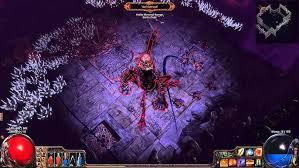
Furthermore, this design perfectly complemented the game's dark and perilous setting. Wraeclast is a continent for the exiled and the desperate. Its economy mirrors this; it is ruthless, knowledge-based, and offers no handouts. Your survival hinges on your ability to understand and manipulate this complex web of resources. There is no friendly king dispensing quest rewards; there is only what you can scavenge, craft, and wrest from the corrupted land through your own cunning and perseverance. The economy itself became a reflection of the game's narrative—a harsh system for harsh survivors. It demanded attention, encouraged community interaction, and turned the simple act of accumulating wealth into a deeply engaging strategic layer. This foundational pillar of POE 1 Currency's design ensured that the journey through its acts was not just about killing monsters, but about becoming a shrewd and resourceful survivor in a world that offered no easy paths.

 English
 Arabic
 Spanish
 Portuguese
 Deutsch
 Turkish
 Dutch
Dutch
 Italiano
 Russian
 Romaian
 Portuguese (Brazil)
 Greek
Greek