


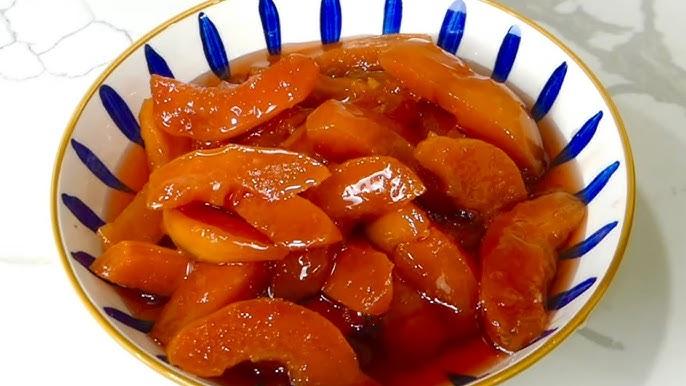
Quince murabba is one of the most cherished traditional preserves in Pakistan, especially during the winter season. Prepared from safarjal, also known as quince, this golden, aromatic fruit has been valued for centuries due to its medicinal and nutritional properties. In Pakistani households, quince murabba is not just a sweet treat but a remedy passed down through generations.
Safarjal murabba is commonly consumed with breakfast, particularly alongside parathas or plain bread, and is known for strengthening digestion, improving immunity, and boosting overall vitality. As interest in traditional foods grows again, people are also becoming more curious about the availability and market value of safarjal across the country.
What Is Safarjal Fruit?
Safarjal, or quince, is a hard, yellow fruit that resembles a pear but has a more intense fragrance. It is rarely eaten raw because of its firm texture and slightly sour taste. Instead, it is widely used in cooking, jams, and especially murabba.
Nutritional Value of Safarjal
Safarjal fruit is rich in essential nutrients that make it ideal for winter consumption:
-
High in dietary fiber
-
Contains vitamin C and antioxidants
-
Supports gut health
-
Helps reduce inflammation
-
Beneficial for heart health
These health benefits are one of the main reasons quince murabba remains popular in both rural and urban areas of Pakistan.
Cultural Importance of Quince Murabba in Pakistan
In Pakistani culture, murabba holds a special place, particularly in Unani and Desi Tibb systems. Safarjal murabba is often recommended for:
-
Strengthening the stomach
-
Enhancing appetite
-
Supporting reproductive health
-
Improving memory and mental clarity
Elderly people and newly married couples are frequently advised to include it in their diet. Many families still prepare quince murabba at home, while others prefer buying it from herbal stores or local vendors.
Safarjal Fruit Availability in Pakistan
Safarjal is a seasonal fruit in Pakistan, mainly available during late autumn and winter. It is commonly grown in:
-
Balochistan
-
Khyber Pakhtunkhwa
-
Northern Punjab
-
Gilgit-Baltistan
Due to limited cultivation and short seasonal availability, safarjal is not as common as apples or pears. This directly affects market demand and pricing.
Safarjal Fruit Price Trends in Local Markets
Market rates for safarjal vary depending on region, quality, and season. In major cities like Lahore, Karachi, Islamabad, and Peshawar, the safarjal fruit price in pakistan usually increases during peak murabba-making months due to higher demand.
Factors Affecting Safarjal Prices
Several factors influence the pricing of safarjal in Pakistan:
-
Seasonal supply limitations
-
Transportation costs from northern regions
-
Quality and size of the fruit
-
Urban versus rural market differences
Typically, prices are lower in areas closer to production zones and higher in metropolitan cities.
Homemade vs Store-Bought Quince Murabba
Many households still prefer preparing murabba at home to ensure purity and taste. However, store-bought options are becoming increasingly popular due to convenience.
Homemade Quince Murabba Benefits
-
No artificial preservatives
-
Customizable sweetness level
-
Traditional cooking methods
-
Better control over ingredient quality
Store-Bought Murabba Options
-
Easily available in herbal shops
-
Longer shelf life
-
Consistent taste and texture
-
Suitable for busy lifestyles
While buying murabba saves time, many people still believe homemade quince murabba offers superior health benefits.
How to Make Quince Murabba at Home
Preparing safarjal murabba is time-consuming but rewarding. The basic steps include:
-
Washing and peeling the safarjal fruit
-
Cutting it into equal-sized pieces
-
Soaking in lime water to maintain firmness
-
Boiling gently until soft
-
Cooking in sugar syrup with cardamom
-
Allowing it to mature for flavor enhancement
Proper preparation ensures a long shelf life and rich taste.
Health Benefits of Safarjal Murabba
Quince murabba is more than just a sweet preserve. It is often used as a natural remedy for various health concerns.
Digestive Health
Safarjal murabba helps strengthen the stomach lining, reduce acidity, and relieve constipation.
Immunity Boost
The antioxidants present in quince support immune function, making it ideal during cold weather.
Mental and Physical Strength
In traditional medicine, quince murabba is believed to enhance memory, reduce anxiety, and increase physical stamina.
Rising Demand for Traditional Foods in Pakistan
With growing awareness about natural and chemical-free diets, traditional foods like quince murabba are regaining popularity. Consumers are now more conscious of ingredients, sourcing, and nutritional value.
This renewed interest has also influenced the safarjal fruit price in pakistan, especially in urban organic markets and online herbal stores where premium-quality fruit is sold.
Tips for Buying Safarjal Fruit
When purchasing safarjal for murabba, keep these points in mind:
-
Choose firm, yellow fruits without bruises
-
Avoid overly soft or green safarjal
-
Strong fragrance indicates good quality
-
Buy in season for better pricing
Buying directly from local markets instead of supermarkets can also help reduce cost.
Conclusion
Quince murabba is a timeless winter delicacy deeply rooted in Pakistani tradition and wellness culture. From its impressive health benefits to its rich cultural value, safarjal continues to hold importance in many households. As seasonal demand rises each year, awareness about safarjal fruit price in pakistan also becomes essential for consumers planning to prepare or purchase this beloved murabba.
Whether homemade or store-bought, quince murabba remains a symbol of nourishment, heritage, and natural healing in Pakistan.

 English
 Arabic
 Spanish
 Portuguese
 Deutsch
 Turkish
 Dutch
Dutch
 Italiano
 Russian
 Romaian
 Portuguese (Brazil)
 Greek
Greek