


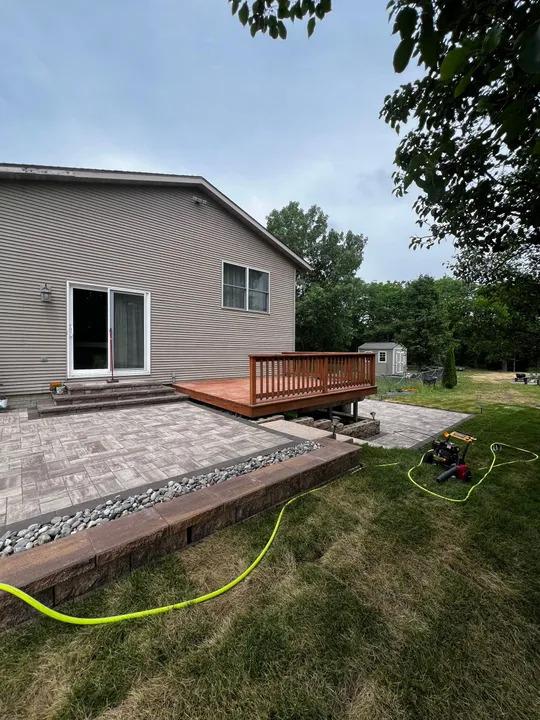
Designing a landscape in the Midwest requires a deep respect for nature’s extremes. Central Iowa is not a gentle environment for plants or hardscapes. It is a region defined by hot, humid summers where temperatures can soar above 90 degrees, and brutal winters where the mercury dips well below zero. This climatic volatility means that Landscape Design in Central Iowa must be rooted in resilience. It is not enough for a landscape to look good in the brochure; it must be able to survive ice storms, wind shears, and drought. Professional designers in the area, such as those at Larkin Landscape & Design, understand that true beauty in a landscape is the result of choosing the right elements for the right environment.
The soil itself is often the first hurdle. Much of Central Iowa sits on heavy clay or compacted loam. This soil type holds water tenaciously, which can be a death sentence for many plants that prefer "wet feet" to be dry. A professional design begins with a site analysis that goes below the surface. If the soil is poor, the design might incorporate raised beds, soil amendments, or the selection of hardy native species that have evolved to thrive in dense clay. Ignoring the soil conditions is the leading cause of plant failure. A designer knows that planting a delicate species like a dogwood in unimproved clay is a waste of money, whereas a river birch or a coneflower might flourish in the exact same spot. This knowledge of horticulture is what separates a landscaper from a gardener.
Water management is another pillar of resilient design. In the spring, Iowa can experience torrential rains that lead to standing water and basement flooding. A good landscape design does not just decorate the yard; it engineers the water flow. Grading plans are developed to channel water away from the foundation of the home and towards drainage swales or rain gardens. This functional aspect of Landscape Design in Central Iowa is critical for protecting the home’s structure. Conversely, summers can bring weeks of dryness. Designers plan for this by zoning plants according to their water needs—grouping thirsty plants together near a water source while placing drought-tolerant varieties in the hotter, drier areas of the yard. This "hydro-zoning" makes irrigation more efficient and keeps plants healthier during stress periods.
Hardscaping also faces a tough battle against the elements. The freeze-thaw cycle is the enemy of concrete and stone. As water seeps into cracks and freezes, it expands, causing pavers to heave and walls to crumble. Professional design specifications address this by calling for proper base preparation. A patio is only as good as the gravel and sand beneath it. Designers specify deep, compacted aggregate bases that allow for drainage and movement without disturbing the surface pavers. They also select materials that are rated for severe weather, avoiding porous stones that might crack when frozen. This attention to technical detail ensures that the expensive patio installed today will still be level and crack-free ten years from now.
Wind is another factor that influences Landscape Design in Central Iowa. The open plains offer little resistance to winter gales. A thoughtful design uses vegetation as a windbreak. Planting a row of evergreen trees on the north or west side of a property can significantly reduce wind chill, making the backyard more comfortable in the shoulder seasons and even lowering the home’s heating bills. Conversely, designs can be oriented to capture cooling breezes in the summer, creating natural ventilation for outdoor seating areas.
Finally, there is the aesthetic resilience. A landscape should not disappear when the leaves fall. Iowa winters are long, and a design that relies solely on summer blooms will look barren for five months of the year. Professional designers incorporate "winter interest" into their plans. They choose trees with interesting bark textures, shrubs that hold colorful berries, and ornamental grasses that stand tall and golden against the snow. This ensures that the view from the living room window is engaging year-round. By designing with the climate rather than against it, professionals create landscapes that are sustainable, low-maintenance, and enduringly beautiful.

 English
 Arabic
 French
 Spanish
 Deutsch
 Turkish
 Dutch
Dutch
 Italiano
 Russian
 Romaian
 Portuguese (Brazil)
 Greek
Greek