


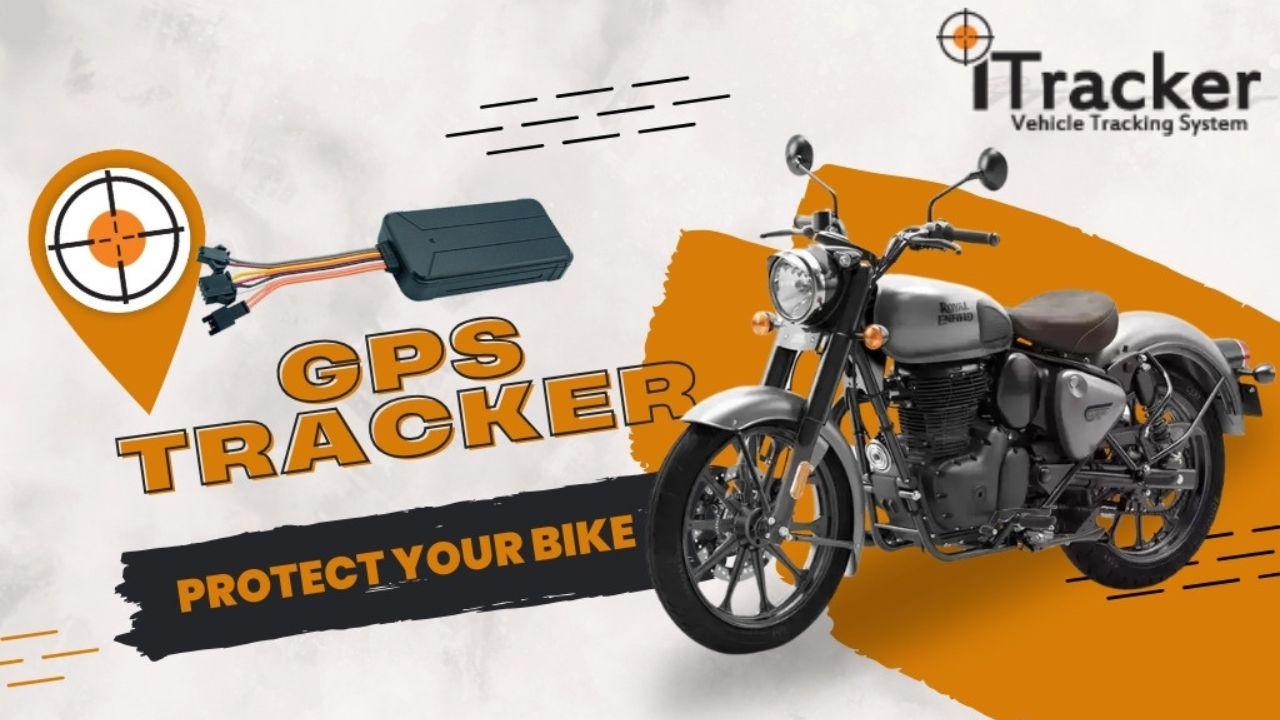
In today’s fast-paced delivery economy, managing a fleet of bikes efficiently is crucial for businesses aiming to provide fast and reliable service. With increasing customer expectations and competition, delays, mismanaged routes, and unauthorized vehicle use can quickly harm a delivery company’s reputation. How can fleet managers ensure their bikes are operating at peak efficiency while maintaining safety and accountability? The answer lies in GPS tracking technology. Using a GPS Tracker for Bike fleet management can transform delivery operations, optimize routes, and provide real-time insights into rider behavior and vehicle utilization.
Understanding GPS Trackers for Delivery Fleets
A GPS tracker is a small device installed on each bike in the fleet to monitor its location, speed, and usage in real time. These devices communicate with a centralized dashboard or mobile app, giving fleet managers instant access to critical information. According to recent industry studies, companies using GPS trackers have reported up to a 25% improvement in on-time deliveries and a 20% reduction in fuel and operational costs.
Key Benefits of GPS Tracking for Bike Fleets
1. Real-Time Location Monitoring
Knowing where each bike is at any given moment allows fleet managers to manage deliveries more efficiently. Real-time tracking ensures that dispatchers can reroute drivers during traffic congestion or emergencies, improving delivery times and customer satisfaction.
2. Optimized Routes and Reduced Delays
GPS tracking systems analyze traffic patterns, route distances, and historical delivery times to suggest the most efficient paths. This not only reduces delays but also minimizes fuel consumption and wear and tear on bikes, extending their operational lifespan.
3. Enhanced Rider Accountability
Fleet managers can monitor riding behavior, including speed, stops, and idle times. This information encourages responsible riding, reduces the risk of accidents, and ensures that riders are following company protocols. For delivery businesses, accountability translates into better customer experiences and lower liability.
4. Theft Prevention and Recovery
Bikes are vulnerable to theft, especially in urban areas with high delivery volumes. GPS trackers provide instant alerts if a bike moves outside a designated area, enabling rapid response and recovery. Some trackers even allow for remote immobilization, giving fleet owners added peace of mind.
5. Data-Driven Insights
Historical data collected by GPS trackers can help fleet managers identify patterns and inefficiencies. By reviewing delivery times, idle periods, and route choices, companies can make informed decisions to improve overall operations, reduce costs, and enhance service quality.
Choosing the Right GPS Tracker for a Delivery Fleet
When selecting a GPS tracker for your bike fleet, consider the following features:
-
Long Battery Life: Devices should function continuously without frequent charging interruptions.
-
Accurate Real-Time Updates: Ensure that the tracker provides timely and precise location information.
-
Durability: Delivery bikes are exposed to outdoor conditions, so waterproof and rugged trackers are essential.
-
Mobile and Web Integration: Centralized dashboards and mobile apps simplify fleet monitoring and management.
-
Geofencing Capabilities: The ability to define virtual boundaries and receive alerts for unauthorized movement is crucial for fleet security.
For more technical details on GPS tracking solutions, you can visit GPS World for insights into fleet tracking technologies and innovations.
How to Implement GPS Tracking in a Delivery Fleet
-
Install Trackers on Each Bike: Place devices in discreet yet secure locations to prevent tampering.
-
Set Up a Central Monitoring System: Use a reliable dashboard or app to monitor all bikes in real time.
-
Define Geofencing and Alerts: Configure boundaries, speed limits, and notification alerts for optimal fleet management.
-
Train Riders: Educate delivery personnel on how GPS tracking improves efficiency and safety.
-
Analyze Data for Continuous Improvement: Use the collected insights to optimize routes, adjust schedules, and improve delivery performance.
Case Studies: GPS Tracking in Action
-
Food Delivery Services: Companies using GPS trackers reported up to a 30% reduction in late deliveries and higher customer satisfaction.
-
E-Commerce Delivery Fleets: Real-time tracking allowed managers to reroute bikes during peak traffic hours, improving operational efficiency.
-
Courier and Logistics Providers: Theft incidents dropped significantly after implementing GPS trackers, as immediate alerts and tracking deterred unauthorized use.
Expert Tips for Maximizing Fleet Efficiency
-
Combine GPS tracking with performance metrics like delivery completion rates to assess rider efficiency.
-
Conduct periodic maintenance using insights from tracker data, such as high-idle periods or excessive speeds.
-
Use historical data to forecast peak delivery times and optimize staffing levels accordingly.
Conclusion
For delivery services, a GPS Tracker for Bike fleet management is no longer optional—it’s essential for operational efficiency, safety, and customer satisfaction. From real-time monitoring and route optimization to theft prevention and rider accountability, GPS trackers provide comprehensive tools for fleet managers to streamline operations and enhance business performance.
By integrating GPS technology into your delivery fleet, companies can reduce costs, improve on-time delivery rates, and ensure the safety of both riders and vehicles. iTracker offers reliable and advanced GPS tracking solutions, helping delivery services transform their operations and stay competitive in the rapidly growing logistics industry.

 English
 Arabic
 French
 Spanish
 Portuguese
 Turkish
 Dutch
Dutch
 Italiano
 Russian
 Romaian
 Portuguese (Brazil)
 Greek
Greek