


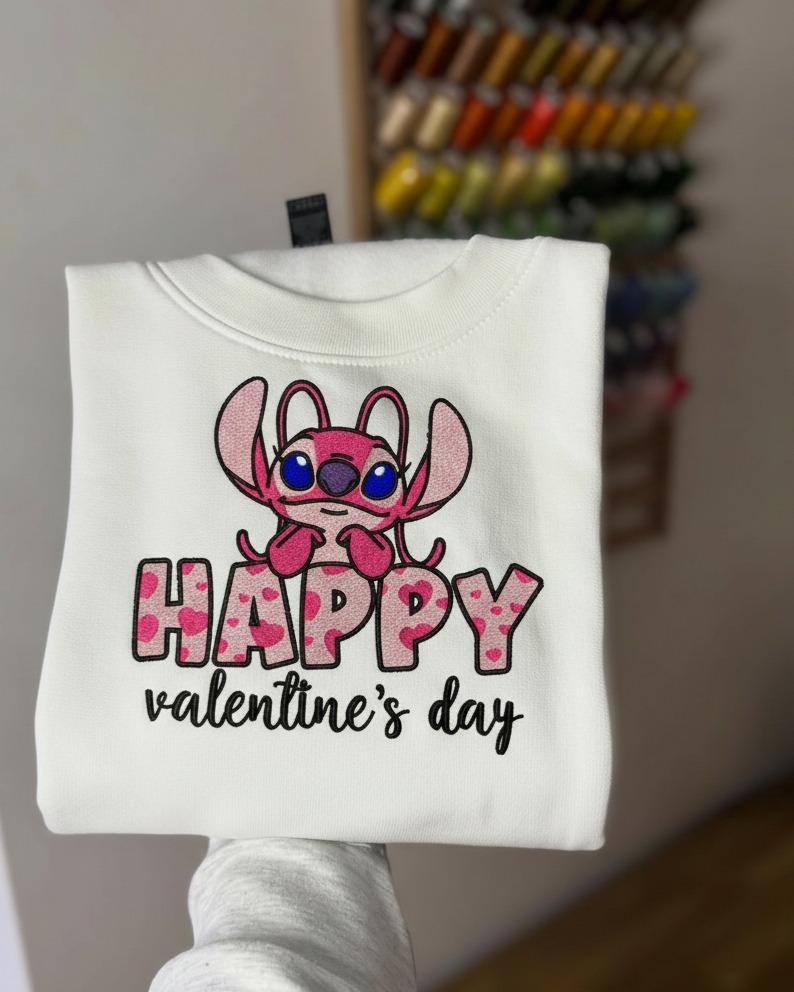
Embroidery has long been associated with tradition, patience, and hand-crafted detail. While those qualities still define its essence, the method of creating embroidery has changed dramatically. Digital platforms now allow users to access ready-made embroidery files that can be stitched with remarkable precision using computerized machines.
This shift is not simply about speed. It reflects a broader transformation in how people design, produce, and personalize fabric-based products.
From Idea to Stitch: The Digital Workflow
Modern embroidery begins long before the needle touches the fabric. The process starts with selecting a digital design file that has been carefully prepared using specialized software.
These files contain detailed instructions that guide the embroidery machine step by step. Every movement, from stitch direction to color changes, is pre-defined. Once the file is loaded, the machine follows these instructions automatically, producing a consistent and accurate result.
This digital workflow eliminates much of the uncertainty found in manual embroidery and allows users to focus on selecting the right design rather than mastering complex stitching techniques.
A Library of Creative Possibilities
One of the most powerful aspects of online embroidery design platforms is the sheer range of available options. Instead of creating every design from scratch, users can choose from extensive libraries that cater to different tastes and purposes.
Design categories often include:
- Minimal and modern patterns for clean aesthetics
- Decorative and ornamental artwork for detailed projects
- Text-based designs for branding and messaging
- Themed collections for seasonal or event-based use
This variety makes it possible to approach embroidery from multiple creative angles, whether the goal is artistic expression or commercial production.
Where Creativity Meets Practical Use
Digital embroidery is not limited to hobby projects. It has become a practical tool across several areas.
In fashion, embroidery is used to create distinctive clothing items that stand out in a competitive market. Simple garments can be transformed into unique pieces with carefully selected designs.
In home décor, embroidered elements add depth and personality to everyday items. Fabrics used in living spaces gain a more refined and customized appearance through detailed stitching.
For gifting, embroidery offers a level of personalization that printed items often cannot match. Names, dates, and meaningful designs turn ordinary objects into memorable keepsakes.
Businesses also benefit from embroidery by producing branded products. Uniforms, promotional items, and merchandise can all be enhanced with consistent and professional designs.
Choosing Designs with Strategy
Selecting the right embroidery design requires more than visual preference. It involves understanding how the design will perform during the stitching process.
Design density plays a critical role. Highly dense designs may look appealing on screen but can cause issues such as thread breakage or fabric stress. Simpler designs often deliver better results, especially for beginners.
Scale is another important factor. A design should be appropriately sized for the intended product. Oversized patterns can lose clarity, while very small ones may lack detail.
Compatibility must also be considered. Ensuring that the file format matches the embroidery machine is essential for a smooth workflow.
Building Consistency in Results
Consistency is one of the main advantages of machine embroidery, but it still depends on proper preparation and technique.
Using the correct stabilizer helps maintain the shape of the fabric during stitching. Without it, designs may shift or distort.
Thread quality is equally important. Reliable thread reduces the chances of breakage and ensures a clean finish.
Hooping technique also affects the outcome. Fabric must be secured firmly to prevent movement during the embroidery process.
Testing designs before final use is a simple but effective practice. It allows adjustments to be made without risking the main project.
Challenges in Digital Embroidery
Despite its advantages, digital embroidery comes with its own set of challenges.
Not every design is suitable for every fabric. Lightweight materials may not support complex patterns, while thicker fabrics may require adjustments in stitching settings.
Machine limitations can also affect results. Older machines may struggle with highly detailed designs or large files.
Another common issue is over-reliance on design appearance. A design that looks good digitally may not always translate well into stitched form. Understanding the technical aspects of embroidery helps overcome this challenge.
The Evolving Landscape of Embroidery
Technology continues to shape the future of embroidery. Machines are becoming more advanced, offering features that simplify operation and improve accuracy.
Online platforms are also evolving, providing better organization, faster downloads, and improved customization options. These improvements are making embroidery more accessible to a wider audience.
As digital tools become more sophisticated, the gap between creative ideas and finished products continues to shrink.
Conclusion: A New Era of Fabric Design
Online embroidery designs have introduced a new level of efficiency and creativity to the world of embroidery. They allow users to produce detailed, professional-quality work without the limitations of traditional methods.
Whether used for personal projects, creative exploration, or business production, digital embroidery provides a flexible and reliable solution. With the right approach, it is possible to turn simple materials into refined and visually striking products.

 English
 Arabic
 French
 Spanish
 Portuguese
 Turkish
 Dutch
Dutch
 Italiano
 Russian
 Romaian
 Portuguese (Brazil)
 Greek
Greek