


After years of anticipation, Diablo 4 has arrived, and with it, a fundamental shift in the structure of the series. While Diablo 2 Resurrected honored the classic, linear act-based progression, Diablo 4 thrusts players into a seamless, persistent open world. This is no longer a series of isolated waypoints connected by loading screens. Sanctuary has been united into a single, sprawling continent, and the freedom to explore it is both exhilarating and terrifying.
From the moment you emerge from the prologue, the world of Diablo 4 feels vast and hostile. The fractured peaks of the Dry Steppes give way to the haunted swamps of Hawezar, and eventually to the gothic grandeur of Kehjistan. The visual fidelity is a quantum leap forward, rendering every bloody altar and crumbling statue in grim, next-generation detail. Dynamic weather and a day-night cycle further immerse the player in this world, where a sunny afternoon can suddenly darken as a dust storm rolls in, reducing visibility and forcing a change in tactics.
This open world is not merely a backdrop; it is a core component of the gameplay loop. Players will encounter world events as they travel, from freeing captured villagers to defending caravans from demonic ambushes. These events are optional but rewarding, offering experience and loot. More significantly, the world is home to World Bosses, gargantuan foes like Ashava the Pestilent that require groups of players to band together to defeat. These encounters, happening in real-time across the shared world, create moments of spontaneous cooperation that capture the chaotic spirit of the original games while feeling entirely new.
Underpinning this new structure is a reimagined skill system and a renewed focus on player customization. The Skill Tree returns, offering far more depth and player agency than the simplified systems of recent entries. Players can experiment with different builds, respeccing at a cost, and truly make their chosen class their own. The Barbarian, for example, can now wield four weapons simultaneously, swapping between them based on the skill used. The Sorceress can enchant her abilities, adding passive effects that fundamentally alter their function. This depth, combined with the endless hunt for legendary aspects and perfect stat rolls, ensures that the core Diablo loop of killing monsters for better gear remains as addictive as ever.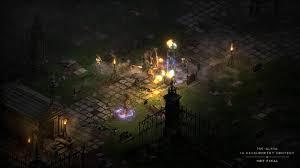
The narrative of Diablo 4 is a darker, more personal story than its predecessors. Set many years after the events of Diablo 3, the world is reeling from her actions. The return of Lilith, daughter of Mephisto, serves as the catalyst for a tale of desperation, faith, and the monstrous nature of humanity itself. The campaign weaves through the open world, guiding players from one region to the next, but the freedom to deviate, to explore a cave that catches your eye or help a stranger in need, ensures that the journey feels like your own. Diablo S12 Items successfully drags the series into the modern era of game design while retaining the gothic, visceral soul that has always defined it.

 English
 French
 Spanish
 Portuguese
 Deutsch
 Turkish
 Dutch
Dutch
 Italiano
 Russian
 Romaian
 Portuguese (Brazil)
 Greek
Greek