


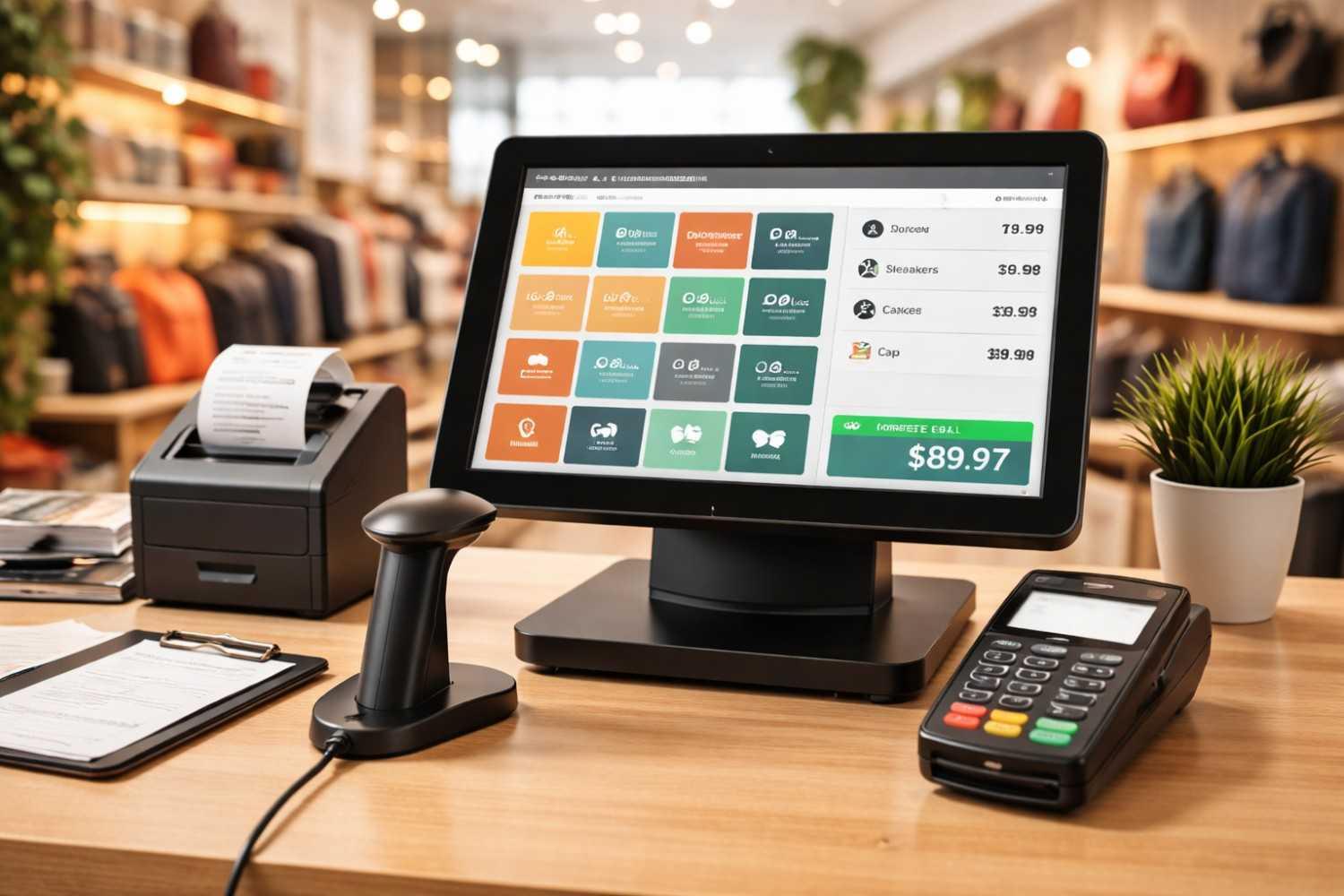
Point of Sale Systems for Modern Businesses
Point of sale systems have become the backbone of modern retail and service businesses. From small shops to large supermarkets, these systems help manage sales, track inventory, and improve customer experience. If you run a business that handles daily transactions, investing in reliable point of sale systems can save time, reduce errors, and increase overall efficiency.
In this guide, we’ll explain what point of sale systems are, how they work, their benefits, and how to choose the right one for your business.
What Are Point of Sale Systems?
Point of sale systems, often called POS systems, are digital solutions that process customer payments and manage sales data. They combine hardware and software to handle transactions smoothly.
A typical POS setup may include:
-
A touchscreen or computer
-
Barcode scanner
-
Receipt printer
-
Cash drawer
-
Card payment terminal
The software records every sale, updates stock automatically, and generates reports for better decision-making.
How Point of Sale Systems Work
When a customer makes a purchase, the system scans the product barcode or enters the item manually. The software calculates the total amount, including taxes or discounts. Once payment is completed, the system records the transaction and updates inventory levels instantly.
Modern point of sale systems can also:
-
Accept multiple payment methods
-
Track customer purchase history
-
Manage employee performance
-
Sync data with cloud storage
This automation reduces manual paperwork and minimizes human errors.
Key Features to Look For
Not all POS systems offer the same features. Choosing the right one depends on your business type and size.
Inventory Management
A good POS system tracks stock levels in real time. It alerts you when items are low, helping prevent out-of-stock situations.
Sales Reporting
Detailed sales reports allow you to analyze daily, weekly, or monthly performance. You can identify top-selling products and slow-moving items easily.
Customer Management
Some point of sale systems include customer relationship tools. These help store customer details, offer loyalty programs, and send promotional updates.
Multi-Store Integration
If you operate multiple branches, look for a system that connects all locations in one dashboard.
Benefits of Using Point of Sale Systems
Businesses that switch from manual billing to digital POS solutions often see immediate improvements.
Faster Transactions
Scanning barcodes and processing payments digitally reduces waiting time at checkout counters.
Better Accuracy
Automated calculations reduce pricing mistakes and tax errors.
Improved Business Insights
With clear reports and data analysis, you can make smarter business decisions.
Enhanced Customer Experience
Quick billing, digital receipts, and loyalty programs create a more professional and satisfying shopping experience.
For more articles, pos ireland
Types of Point of Sale Systems
Different industries require different POS setups.
Retail POS Systems
Designed for stores and supermarkets, these systems focus on inventory control and fast checkout.
Restaurant POS Systems
Restaurants need features like table management, kitchen order tickets, and menu customization.
Mobile POS Systems
These are portable systems that run on tablets or smartphones. Ideal for small businesses, pop-up shops, or field services.
Cloud-Based POS Systems
Cloud POS stores data online, allowing you to access reports from anywhere. This is especially useful for business owners who manage operations remotely.
Choosing the Right POS for Your Business
Before selecting a system, consider these factors:
Business Size
Small shops may need simple systems, while larger stores require advanced features.
Budget
Compare pricing plans carefully. Some systems require a one-time purchase, while others charge monthly subscriptions.
Ease of Use
Choose software that is simple to learn. Complicated systems can slow down staff productivity.
Support and Updates
Reliable customer support and regular software updates ensure smooth operations.
Security and Compliance
Modern point of sale systems follow security standards to protect payment data. Look for systems that offer:
-
Encrypted transactions
-
Secure login access
-
Data backup options
Security is crucial for building customer trust and protecting your business reputation.
The Future of Point of Sale Systems
Technology continues to evolve. Many POS providers now integrate with e-commerce platforms, accounting software, and digital marketing tools. Some systems even use AI-driven analytics to predict sales trends.
As businesses become more digital, point of sale systems are no longer just billing tools. They are complete business management solutions.
Conclusion
Point of sale systems are essential for businesses that want to operate efficiently and grow sustainably. From processing payments to tracking inventory and generating reports, these systems simplify daily operations and provide valuable insights.
By choosing the right point of sale systems, you can reduce errors, speed up transactions, and improve customer satisfaction. Whether you run a retail store, restaurant, or service-based company, investing in a modern POS solution is a smart step toward long-term success.

 English
 Arabic
 French
 Spanish
 Portuguese
 Deutsch
 Turkish
 Dutch
Dutch
 Italiano
 Russian
 Portuguese (Brazil)
 Greek
Greek