


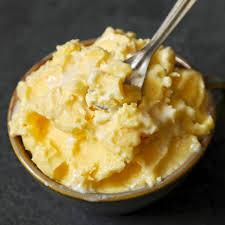
Cultured butter has become a favorite ingredient for home cooks looking to elevate their cooking. Unlike regular butter, which is made from fresh cream, cultured butter is made from fermented cream, giving it a tangy, rich, and complex flavor. Its creamy texture and unique taste make it ideal for everything from baking to finishing savory dishes. Choosing the right cultured butter can make a noticeable difference in your cooking, and this guide will help home cooks understand what to look for.
Understanding Cultured Butter
Cultured butter is created by fermenting cream with natural lactic acid bacteria before it is churned into butter. This fermentation process develops a slightly tangy taste that is deeper and more complex than standard sweet cream butter. The texture is also smoother and creamier, making it easier to spread or melt evenly into dishes.
Nutritionally, cultured butter offers benefits beyond flavor. It contains healthy fats, fat-soluble vitamins like A, D, E, and K, and probiotics that support digestion. While regular butter provides richness, cultured butter adds both taste and potential health advantages, making it a valuable ingredient for home cooking.
Key Factors to Look for When Choosing Cultured Butter
When selecting cultured butter, there are several factors that home cooks should consider to ensure they are getting a high-quality product.
1. Ingredients Quality
High-quality cultured butter starts with high-quality cream. Many premium options use cream from grass-fed or locally sourced cows. Minimal additives and preservatives help preserve the natural flavor and nutritional benefits. Choosing butter made from wholesome cream is essential for both taste and health.
2. Flavor and Aroma
The tangy and rich flavor of cultured butter is its signature. When selecting butter, look for a balanced taste that is not overly sour or bland. A good way to test is to taste a small amount: it should have a pleasant creaminess with a gentle tang. The aroma is also important—high-quality butter often has a fresh, slightly nutty scent.
3. Texture
Texture affects how butter behaves in cooking and baking. Smooth, creamy, and easily spreadable butter works best for both finishing dishes and incorporating into doughs or batters. It should not feel grainy or overly hard, as these qualities indicate lower quality or over-processing.
4. Freshness
Always check packaging and production dates when buying cultured butter. Fresh butter has a more vibrant flavor and retains its natural richness longer. Proper storage in the refrigerator ensures the butter maintains its taste and texture until use.
5. Certifications and Labels
Certifications like organic, grass-fed, or artisanal labels can help verify quality. Some butters may also indicate if they are made from A2 milk or minimally processed, which can appeal to health-conscious consumers. Understanding labels ensures that you are buying genuine, high-quality butter rather than a mass-produced imitation.
Types of Cultured Butter
There are several types of cultured butter available for home cooks:
-
Small-Batch or Artisanal vs. Mass-Produced
Small-batch butter is often handmade or produced in limited quantities, which allows for careful monitoring of flavor and texture. Mass-produced butter is made in large quantities and may lack the nuanced taste of artisanal products. -
Salted vs. Unsalted
Salted butter is convenient for spreads and flavoring, while unsalted butter is preferred in baking or when precise control of salt content is needed. Both have their place in the kitchen, but unsalted cultured butter gives you more flexibility for recipes. -
Specialty Variants
Some cultured butters are European-style, whipped, or blended with herbs and spices. These can add unique flavors and textures to both everyday meals and gourmet dishes.
Tips for Buying and Storing Cultured Butter
Proper storage is essential for maintaining the quality of cultured butter. Keep it tightly wrapped in the refrigerator to preserve freshness and prevent it from absorbing other flavors. Small batches can also be frozen for longer storage without losing texture or flavor.
When using butter in cooking, allow it to come to room temperature for spreading or mixing. Slightly chilled butter works best for shaping compound butters or for baking where structure is important. Handling butter correctly ensures that you maximize its flavor and creaminess in every dish.
Using Cultured Butter in the Kitchen
Cultured butter is extremely versatile in the kitchen. Its rich flavor makes it suitable for multiple applications:
-
Cooking
Sauté vegetables, sear meats, or roast seafood with cultured butter to add depth and richness. It enhances flavors without overpowering the main ingredients. -
Baking
Use cultured butter in pastries, bread, biscuits, and savory baked goods. Its high butterfat content provides flakiness, tenderness, and a deeper flavor profile than regular butter. -
Finishing and Spreads
A pat of cultured butter melted over hot vegetables, grilled meats, or fresh bread adds a luxurious finish. You can also make compound butters with herbs, spices, or citrus to enhance flavors.
Combining Cultured Butter with Other Ingredients
High-quality cultured butter pairs exceptionally well with other premium ingredients. Combining it with fresh dairy products, such as white butter in Dubai or even the best ghee in UAE, can create rich, flavorful, and nutrient-dense dishes. These combinations allow home cooks to experiment with texture and taste, bringing a restaurant-quality experience to the home kitchen.
Conclusion
Choosing high-quality cultured butter is a game-changer for home cooking. Its tangy flavor, creamy texture, and nutritional benefits make it superior to regular butter in almost every culinary application. By paying attention to ingredient quality, flavor, texture, freshness, and certifications, home cooks can select butter that elevates both everyday meals and special recipes.
Whether used in baking, cooking, or as a finishing touch, cultured butter adds depth and richness that is hard to replicate. Pairing it with other high-quality dairy products, such as white butter in Dubai or the best ghee in UAE, further enhances flavor and quality. For home cooks who value taste, texture, and authenticity, cultured butter is an essential ingredient that brings out the best in every dish.

 English
 Arabic
 French
 Portuguese
 Deutsch
 Turkish
 Dutch
Dutch
 Italiano
 Russian
 Romaian
 Portuguese (Brazil)
 Greek
Greek