


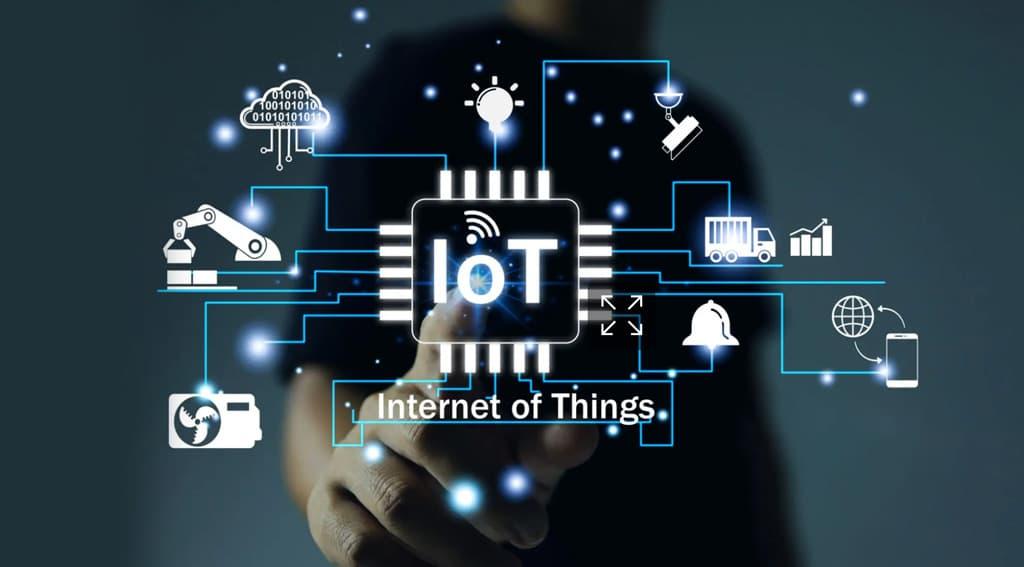
The central nervous system of any modern smart factory, power grid, or logistics network is a sophisticated software suite designed to bridge the physical and digital worlds. The modern Industrial IoT Market Platform is this core system, acting as the middleware that connects, manages, and derives intelligence from a vast and diverse fleet of industrial assets. It is not a single application but an integrated technology stack that provides a comprehensive set of services, including device connectivity and management, data ingestion and processing, advanced analytics and AI, and application development tools. The primary purpose of an IIoT platform is to abstract away the immense underlying complexity of connecting and managing thousands of heterogeneous devices, allowing developers and data scientists to focus on building value-added applications rather than wrestling with low-level infrastructure. It provides the essential, scalable foundation upon which specific solutions like predictive maintenance, asset tracking, and energy management are built, making it the most critical software component of any serious IIoT deployment.
The foundational capabilities of an IIoT platform revolve around connectivity and device management. In the highly fragmented world of Operational Technology (OT), industrial equipment speaks a multitude of different languages (protocols) like Modbus, Profibus, and OPC-UA. A robust IIoT platform must be able to communicate with this wide array of protocols, often through edge gateways that act as translators. Once a device is connected, the platform's device management function takes over. This involves securely onboarding or "provisioning" new devices, organizing them into logical groups, and managing their entire lifecycle. It must be able to push over-the-air (OTA) firmware and security updates to thousands of devices simultaneously, monitor their health and connectivity status, and securely decommission them at the end of their life. This ability to remotely manage a massive fleet of distributed devices is crucial for maintaining the security, reliability, and scalability of the entire IIoT system, preventing the logistical nightmare of having to manually manage each individual asset.
Once data is flowing from the connected devices, the platform's data processing and analytics engine comes into play. This layer is designed to handle the massive velocity, volume, and variety of time-series data generated by industrial sensors. The first step is often data ingestion and storage, which involves collecting the data streams and storing them in a scalable, time-series-optimized database. The platform then provides a suite of tools for analysis. This can range from simple real-time dashboards and rule-based alerting systems (e.g., "send an alert if a motor's temperature exceeds 100°C") to highly advanced machine learning and AI capabilities. The platform provides data scientists with the environment and tools to build, train, and deploy complex ML models, such as anomaly detection algorithms that can spot subtle deviations from normal operational behavior or predictive models that can forecast remaining useful life (RUL) for a piece of equipment. This is the "intelligence" layer of the platform, where raw sensor data is transformed into valuable predictive and prescriptive insights.
A critical architectural consideration for any IIoT platform is the strategic interplay between edge computing and cloud computing. The cloud provides a centralized, scalable environment for long-term data storage, complex analytics, and the training of large-scale machine learning models. However, sending every piece of sensor data to the cloud is often impractical due to latency, bandwidth costs, or security concerns. This is where edge computing comes in. An IIoT platform extends its capabilities to the "edge" of the network, closer to the physical devices. Small, powerful edge computers or gateways located on the factory floor can run analytics and AI models locally. This enables real-time decision-making with millisecond latency, which is essential for applications like controlling a high-speed robot or triggering an emergency shutdown. The edge can perform initial data filtering and aggregation, sending only the most important or summary data to the cloud. This hybrid architecture provides the best of both worlds: the real-time responsiveness of the edge combined with the massive scale and analytical power of the cloud.
Explore More Like This in Our Regional Reports:
GCC Open Source Intelligence (Osint) Market

 English
 Arabic
 French
 Spanish
 Portuguese
 Deutsch
 Turkish
 Dutch
Dutch
 Russian
 Romaian
 Portuguese (Brazil)
 Greek
Greek