


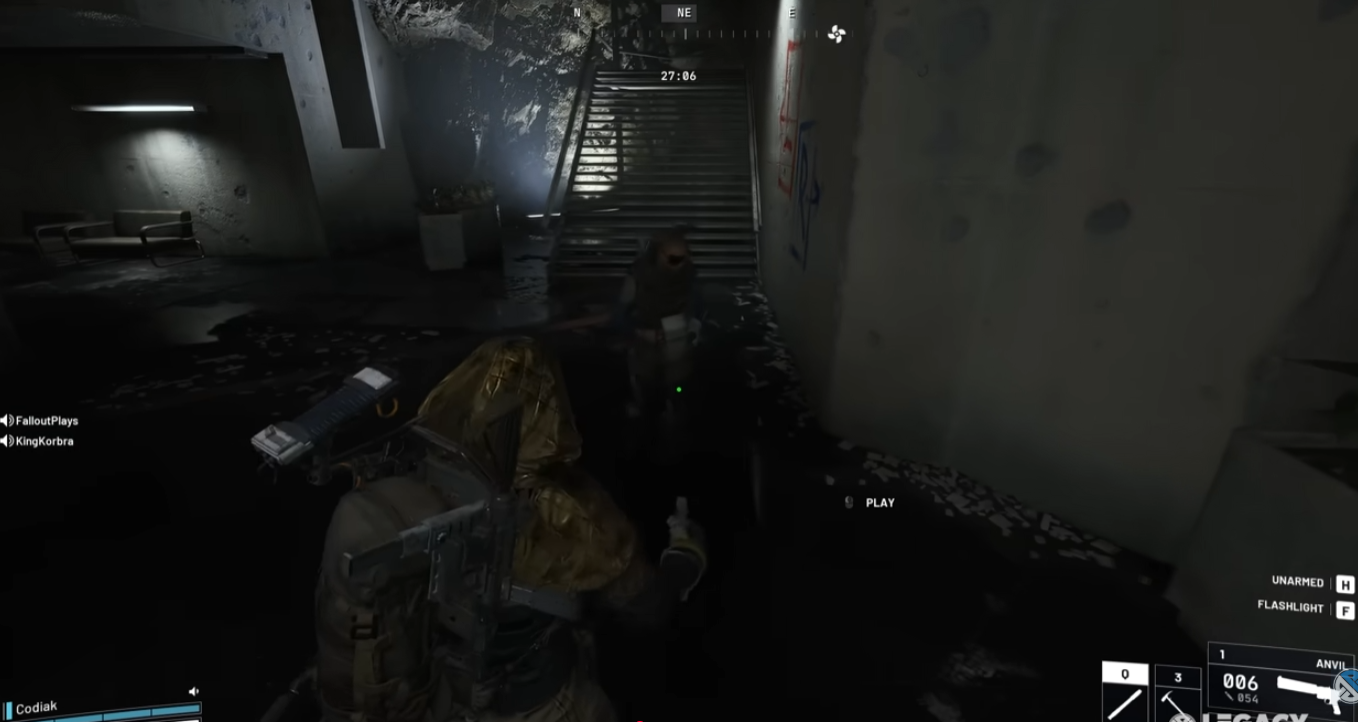
In Arc Raiders, there are a variety of tactical tools that players can use to control the battlefield. One of these is the Gas Mine. Many players are curious about how it works, when it’s most effective, and how to counter it. This guide breaks down the Gas Mine from the perspective of someone who has spent a lot of time in-game, explaining its mechanics, common strategies, and practical tips.
What Is the Gas Mine?
The Gas Mine is a proximity-triggered device. In simple terms, it sits on the ground and activates when an enemy gets close. Once triggered, it releases a gas cloud that drains stamina rapidly.
-
Stamina Drain Rate: 25 per second
-
Duration: 20 seconds
-
Radius: 7.5 meters
Most players use the Gas Mine to control space or slow down opponents. Unlike explosives that deal direct damage, the Gas Mine targets stamina, which affects your ability to sprint, dodge, and perform other actions.
How Does the Gas Mine Work in Practice?
Trigger Mechanism
The mine activates automatically when an enemy enters its radius. This makes it effective in choke points, doorways, or any location where enemies are likely to pass. In general, it’s not useful in open areas where players can simply avoid the gas.
Gas Cloud Effects
Once the mine is triggered, the gas cloud rapidly drains stamina at a rate of 25 per second. Most players notice that this limits their mobility almost immediately. Stamina-dependent abilities, like sprinting or using heavy melee attacks, become much harder to perform. In practice, players often get pinned down or forced to retreat when caught in a cloud.
Duration and Coverage
The gas lasts for 20 seconds and covers a radius of 7.5 meters. Most players treat this as a temporary zone denial tool rather than a long-term barrier. It works best in combination with other traps or team tactics, such as forcing enemies to move into another mine or turret.
How Do Players Usually Use the Gas Mine?
Controlling Movement
Most players place Gas Mines near objectives, entrances, or high-traffic paths. The goal is not necessarily to eliminate enemies but to disrupt their movement and force them into less advantageous positions. For example, placing a Gas Mine near a doorway can slow down attackers, giving defenders more time to react.
Team Synergy
In general, Gas Mines are more effective when combined with teammates. For instance:
-
Slowing enemies allows snipers to pick targets more easily.
-
Stamina-drained enemies are easier for melee-focused teammates to finish.
-
Mines can force enemies into areas covered by other traps or firepower.
Most experienced players do not rely solely on the Gas Mine for kills. Instead, they use it as part of a layered strategy.
Defensive vs. Offensive Use
-
Defensive: Placing mines around your base or key objectives to slow attackers.
-
Offensive: Dropping mines ahead of a push to disrupt enemy rotations or escape paths.
In practice, defensive setups tend to be more reliable because you can predict where enemies will go, whereas offensive use requires more timing and map knowledge.
Common Mistakes with Gas Mines
-
Placing Mines in Open Areas
Many new players assume any spot works. In general, mines in open spaces are easy to see and avoid, so they don’t provide much tactical advantage. -
Stacking Mines Ineffectively
Some players place multiple mines in the same location, expecting double the effect. In practice, one mine is usually enough to slow enemies. Overlapping mines can waste resources and limit map coverage. -
Ignoring Team Coordination
Gas Mines work best when other players know your plan. Using them without coordination usually results in enemies simply bypassing the mine or pushing through with minimal penalty.
How to Counter Gas Mines
Even if you are an experienced player, encountering a Gas Mine without preparation can be tricky. Here’s how most players deal with them:
-
Avoidance: Simply staying out of the 7.5-meter radius is the easiest counter. Knowing common mine spots helps with this.
-
Mobility Skills: Some abilities allow players to dash, jump, or teleport through mine zones before the stamina drain becomes significant.
-
Stamina Management: If caught, managing stamina by stopping certain actions (like sprinting) can reduce the negative impact until you exit the cloud.
In general, situational awareness and map knowledge are the most reliable defenses. Mines are less effective against players who are familiar with typical trap locations.
Cost and Accessibility
The Gas Mine costs $810 in the Apollo shop. Most players consider this a mid-tier investment because it doesn’t deal direct damage but offers significant utility when used correctly. For players trying to optimize their loadouts, the Gas Mine is worth buying if you plan to focus on strategic trap placement rather than raw combat damage.
Practical Tips from Experienced Players
-
Predict Enemy Routes: Place mines where enemies are forced to move, such as narrow corridors or choke points.
-
Combine with Team Abilities: Use mines in tandem with abilities that capitalize on slowed or drained enemies.
-
Don’t Rely on Mines Alone: Mines are supportive tools. Even in perfect placement, they rarely secure kills by themselves.
-
Watch Timing: Since gas lasts 20 seconds, coordinate your attacks or defenses around that window.
-
Keep Some Mines for Emergencies: Many players reserve a few mines for retreat paths or last-minute objectives instead of placing them all at the start.
In Arc Raiders, the Gas Mine is a tactical tool focused on controlling stamina and movement rather than dealing direct damage. Most players use it to create temporary zone denial, disrupt enemy strategies, and support teammates. It works best when combined with other tactics and requires map knowledge, timing, and coordination to maximize effectiveness. By understanding its mechanics and practical applications, you can make Gas Mines a reliable part of your strategy instead of a gimmick.
You can find cheap Arc Raiders coins on U4N: https://www.u4n.com/arc-raiders/coins

 Arabic
 French
 Spanish
 Portuguese
 Deutsch
 Turkish
 Dutch
Dutch
 Italiano
 Russian
 Romaian
 Portuguese (Brazil)
 Greek
Greek